Walking is a significant milestone in a toddler's development, marking the beginning of newfound independence. As parents and guardians, playing an active role in this stage can boost your child’s confidence and support their balance and coordination. Creating a safe environment—sometimes with simple additions like grip socks—can help toddlers feel more secure as they begin exploring on their feet. Here’s how you can support your little one’s journey toward becoming a confident walker.
Create a Safe Exploration Space
The first step in supporting your toddler's walking adventure is to create a safe, inviting space for them to explore. Remove sharp objects and hazards from their path, and soften hard surfaces with rugs or play mats.
Babies over 6 months old are naturally curious and will want to pull up on furniture to stand, so ensure these items are stable and won’t tip over. A clutter-free space not only keeps your toddler safe but also encourages free movement and experimentation—both essential for developing balance and coordination.
Encourage Barefoot Time
Allowing your toddler to spend time barefoot can significantly improve their balance and coordination. The sensory feedback from the soles of their feet touching the ground helps them understand their body’s position in space and strengthens motor skills.
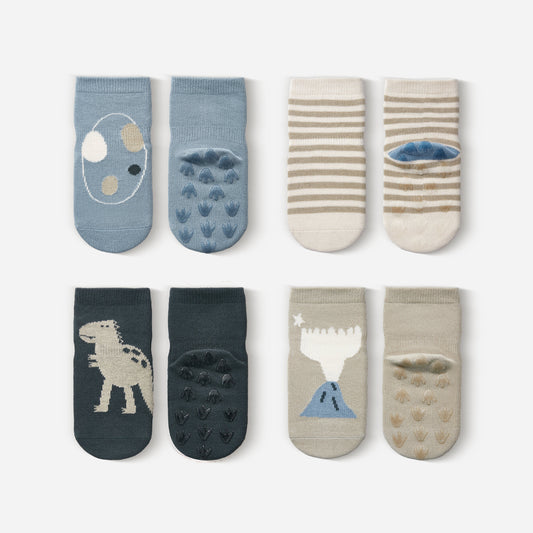
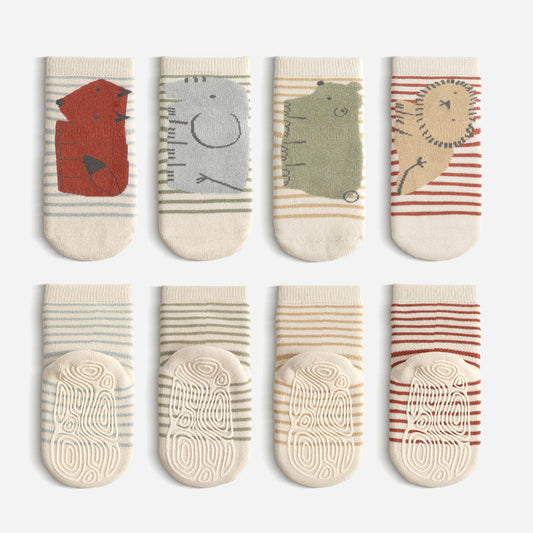
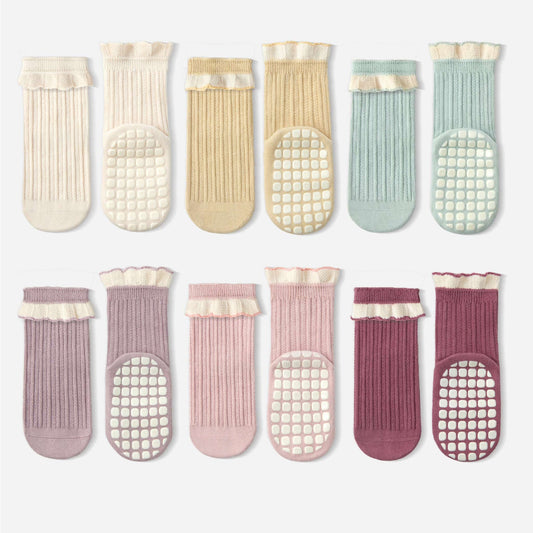
When barefoot time isn’t practical, choose flexible options that don’t restrict movement. Soft, natural footwear or grip socks can provide the traction toddlers need on smooth indoor surfaces while still allowing their feet to move and develop naturally.
Engage in Targeted Play Activities
Play is one of the most effective ways to build walking skills. Try activities that naturally encourage balance and coordination:
- Simple obstacle courses with cushions or soft blocks
- Reaching games while standing
- Dancing to music to promote rhythm and movement
These activities make learning to walk fun while strengthening the muscles needed for stability. On indoor surfaces, non-slip socks can offer extra confidence as toddlers move, step, and explore.
Offer Support, Not Restriction
As your toddler practices walking, offer gentle support without limiting their movement. Hold their hands lightly instead of lifting them, allowing them to feel their weight and develop balance independently.
Encourage them to take small steps toward you and celebrate progress along the way. Every child develops at their own pace, so patience and encouragement are key.
Understand the Importance of Rest
Balance and coordination aren’t built through constant activity alone—rest is just as important. Make sure your toddler has time to recharge between active play sessions.
Fatigue can lead to frustration and increase the risk of falls, so watch for signs that your child needs a break. A balance between movement and rest supports healthy development and learning.
Supporting Every Step with Confidence
As your toddler builds strength and coordination, having the right support can make a big difference. LittleYogaSocks focuses on grip, quality, and playful design to help toddlers move safely and confidently during everyday activities.
With soft, breathable materials and non-slip soles, grip socks provide stability on indoor surfaces while allowing natural foot movement. Whether your toddler is practicing steps, playing, or exploring their surroundings, they help create a safer and more comfortable experience.
A simple addition like grip socks can support your child’s walking journey—helping them feel secure, confident, and ready for every new step.