Sensory play mats, often vibrant with colors, textures, and interactive elements, are more than just toys. They're essential tools in the developmental toolkit for toddlers, especially those over six months old.
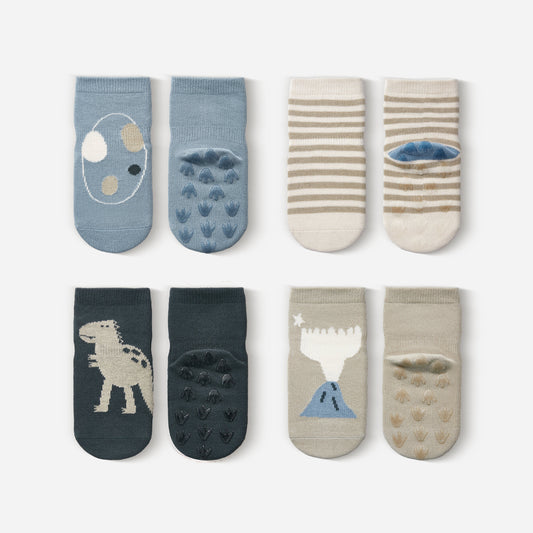
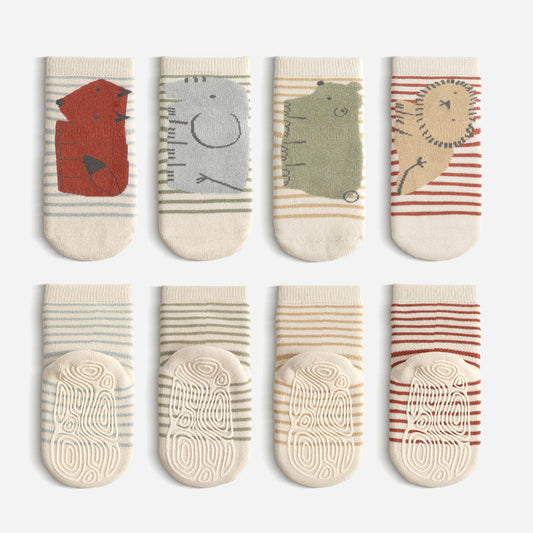
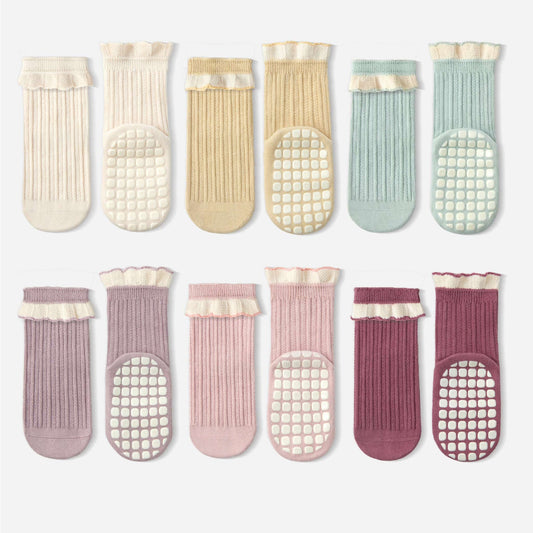
As your little one begins to explore the world around them, these mats play a pivotal role in their sensory development, cognitive skills, and physical growth. Creating a safe and comfortable play environment—such as using grip socks to help prevent slipping—can further support this stage of exploration.
Unleashing the Power of Touch
The tactile experiences provided by sensory play mats are invaluable. From a very young age, toddlers begin to understand their environment through touch. These mats, designed with various textures, encourage babies to feel, press, and grasp, which enhances their tactile sensitivity and fine motor skills. This exploration through touch also fosters curiosity and a willingness to engage with new experiences. Parents can enhance this tactile journey by incorporating mats with diverse materials and features, such as raised bumps, smooth surfaces, and fabric with different patterns, ensuring a rich sensory experience for their child.
Boosting Cognitive Skills Through Exploration
Sensory play mats are not just about physical touch; they're also a playground for the mind. Featuring elements like puzzles, shapes, and built-in games, these mats stimulate problem-solving skills and cognitive development. As toddlers interact with various features, they begin to understand cause and effect, match similar items, and solve simple puzzles. This early exposure to cognitive challenges lays the foundation for future learning and intellectual growth. Parents can support this development by choosing mats that offer a variety of cognitive challenges and spending time interacting with their child on the mat, guiding them through games and puzzles.
Encouraging Movement and Physical Development
Physical development is another critical area where sensory play mats shine. With features designed to promote crawling, rolling, and eventually walking, these mats make movement both fun and engaging.
They encourage toddlers to move, strengthening muscles, improving coordination, and developing gross motor skills. Mats with arches or hanging toys motivate babies to reach and grasp, while mirrors encourage them to move toward their reflection.
To support safe movement during these active moments, non-slip grip socks can help toddlers stay steady on smooth floors while transitioning on and off play mats.
Conclusion
Sensory play mats are powerful tools in a toddler's development, offering benefits that support tactile, cognitive, and physical growth. By choosing mats with diverse textures and engaging features, parents can create a stimulating environment that encourages exploration and learning.
Make Playtime Safe and Confident
As your toddler explores, moves, and learns through play, creating a safe environment is just as important as providing the right tools. Many parents choose grip socks as a simple way to support stability during playtime, helping reduce slips while allowing natural movement.
Designed with soft materials and non-slip soles, they’re perfect for active toddlers navigating play mats and smooth surfaces.
👉 Make playtime safer for your kid with Little Yoga Socks.